LOve@LVWC.com 702-914-0198
Las Vegas Weddings: Iconic Elopement & Micro-Wedding Packages
Forever Happens Here
702-914-0198
Three Signature Locations
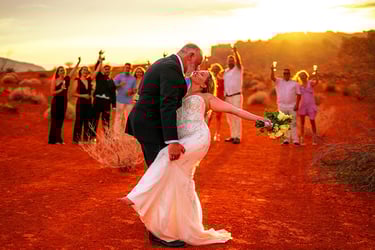
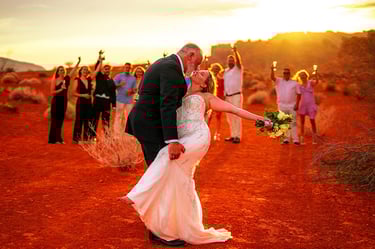
Valley of Fire State Park - red sandstone formations one hour from the Strip
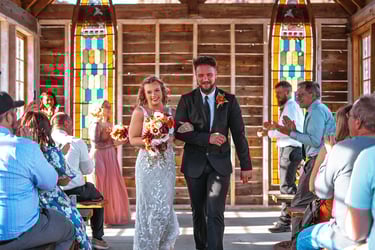
Nelson Ghost Town - vintage rustic chapel and weathered desert backdrops
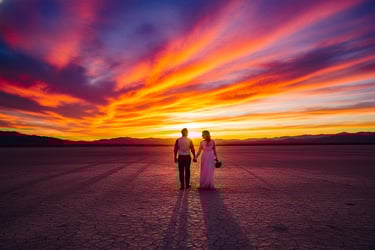
Eldorado Dry Lakebed - open desert horizons, ideal for sunset ceremonies
Why Couples Choose LVWC
We're the original Las Vegas micro-wedding specialists, with 28+ years of experience securing exclusive desert permits and coordinating ceremonies at Nevada's most iconic locations. Couples choose us because we operate as a single point of contact — your photographer, florist, officiant, and transportation are all coordinated through one team, so there's no chasing vendors. Read recent reviews from couples married in 2025.
All-Inclusive Desert Elopement Packages in Las Vegas
Since 1997, LVWC has specialized in intimate desert ceremonies for couples who want more than a chapel visit but less than a ballroom production. Our all-inclusive elopement packages include the off-site permit, luxury transportation, professional photography, fresh floral arrangements, and an officiant — typically for groups of 2 to 20 guests. We handle every detail so you arrive, exchange vows, and leave with the photos and memories already in motion.
Booking Your 2026 Las Vegas Wedding
2026 dates are filling quickly, especially around milestone weekends like 6/26/26 (Friday, June 26, 2026) and 9/26/26 (Saturday, September 26, 2026). Most desert ceremony dates book 4 to 8 months in advance because off-site permits are limited per day. To check availability for your preferred date, contact us at 702-914-0198 or use the booking form.
Frequently Asked Questions About Las Vegas Elopements
How much does a Valley of Fire elopement cost? Valley of Fire elopement packages with LVWC start at $999 and vary based on guest count, photography coverage, and floral selections. The price typically includes the off-site permit, officiant, professional photography, a bridal bouquet and boutonnière, and coordination. Park entrance fees and the Nevada marriage license are separate.
Do we need a permit to get married at Valley of Fire or Nelson Ghost Town? Yes — both locations require a paid special-use permit, which LVWC secures on your behalf as part of every package. Permits are limited to a set number per day, which is why we recommend booking your date 4 to 8 months in advance, especially for weekends and holidays.
How do we get a Nevada marriage license? You apply in person at the Clark County Marriage License Bureau in downtown Las Vegas. Both partners must appear with a valid government-issued photo ID, the cost is $102 (cash or card), there is no waiting period, and the license is valid for one year. The Bureau is open seven days a week, including most holidays.
How many guests can attend a desert elopement? LVWC desert ceremonies accommodate up to 100 guests at Valley of Fire, Nelson Ghost Town, and Eldorado Dry Lakebed, with additional fees applying for larger groups. Most elopements are intimate gatherings of 2 to 20, but all three locations can scale up with advance coordination to secure the appropriate permits and logistics. Contact us early for groups over 20 — larger guest counts require longer lead times.
How long does the ceremony take? The ceremony itself runs about 15 to 20 minutes, but plan on roughly 3.5-4 hours total once you include travel from the Strip, photography time at the location, and the return trip. Helicopter weddings over the Strip are shorter — typically 60 to 90 minutes door to door.
What's included in an all-inclusive LVWC wedding package? Every all-inclusive package includes the location permit, a licensed officiant, professional photography with edited digital images, a fresh bridal bouquet and boutonnière, and full event coordination. Add-ons include luxury transportation, videography, hair and makeup, additional floral arrangements, and helicopter upgrades.
Can we have a Las Vegas helicopter wedding over the Strip? Yes — LVWC offers helicopter weddings over the Las Vegas Strip, Valley of Fire, and the Grand Canyon. The Strip ceremony takes place in flight at night with the neon skyline below; Valley of Fire and Grand Canyon flights land for an outdoor ceremony at the location.
When is the best time of year to elope in Las Vegas? The most comfortable months are October through April, when desert temperatures range from the 50s to the 80s. Summer ceremonies are still popular but typically scheduled at sunrise or sunset to avoid midday heat. Spring and fall weekends book out earliest.
Do you offer same-day or last-minute weddings? Yes, our Sign & Go wedding option is designed for short-notice ceremonies with minimal planning. Desert locations require more lead time because of permit processing, so for last-minute dates we typically recommend the Sign & Go or a Strip helicopter package.
Can we renew our vows or have a commitment ceremony? Yes — every LVWC location and package can be booked as a vow renewal or commitment ceremony, with no marriage license required.
Our Legacy is Your Love Story Exceptional Service. Personal Touches. The LVWC Promise.
We believe the journey to "I Do" should be as effortless as the moment itself. As your dedicated Las Vegas wedding concierge, we don't just plan—we anticipate. From securing exclusive desert permits to the final shutter of the camera, our team provides the high-touch responsiveness that only decades of local expertise can offer. Your vision is our blueprint; your peace of mind is our priority.
See why thousands of couples have trusted us with their forever:
We cannot say enough wonderful things about LVWC.com (Las Vegas Weddings)! From start to finish, they went above and beyond to make our wedding day absolutely perfect. Their professionalism, attention to detail, and genuine care made the whole planning process stress-free and enjoyable.
What really stood out was their flexibility in offering extra options such as the photoshoot and video services. Having everything coordinated through one company made things so much easier, and the quality was outstanding. The photos captured every little detail beautifully, and the video is something we’ll cherish forever.
One of the things that really helped us was their website with a list of recommended vendors (make up, hair). It saved us so much time and gave us confidence that we were choosing trusted professionals who were familiar with the company’s standards.
Thanks again for our beautiful wedding day!
— Sara T, Married October 2025
We couldn’t have asked for a more perfect elopement experience! From the very beginning, the communication was outstanding—clear, timely, and incredibly helpful. Every detail was thoughtfully planned, and we felt completely supported throughout the entire process.
The location we chose was the Valley of Fire and it was absolutely stunning, and everything came together flawlessly. The ceremony, the photos—every moment felt magical and meaningful. It was intimate, stress-free, and exactly what we had envisioned (and more!).
We’re so grateful to the team who helped bring our day to life. Their professionalism, warmth, and attention to detail made this such a special experience that we’ll remember forever. If you’re thinking of eloping in the Valley of Fire, do it—you won’t regret it!
— Christine M, Married November 2025
Great price!
We booked at the Nelson Ghost Town and everything was perfect for a no stress sweet and simple wedding. Could not have asked for better. We received beautiful photos of the occasion from our wonderful photographer. The nelson ghost town staff were also very kind to help mend our friend from a bee sting. Thank you for making our elopement perfect.
— Brittany R, Married November 2025
We have great experience and beautiful wedding on July for a price like none other. Our photographer and officiant and flowers that they provided were top notch! Thank you for making our special day extra memorable!
— Jean & Jon, Married August 2025

Our wedding at the Valley of Fire was breathtaking! Everything was perfectly organized and unforgettable.
Emily & Jake
Helicopter wedding over the Strip was a dream come true! Highly recommend this amazing service.
Mark & Lisa
★★★★★
★★★★★
Las Vegas Weddings
Your all-in-one destination for unforgettable Las Vegas Weddings.
Forever Happens Here
702-914-0198
Love@LVWC.com
#LasVegasWeddings #LasVegas
© 2026. All rights reserved.